

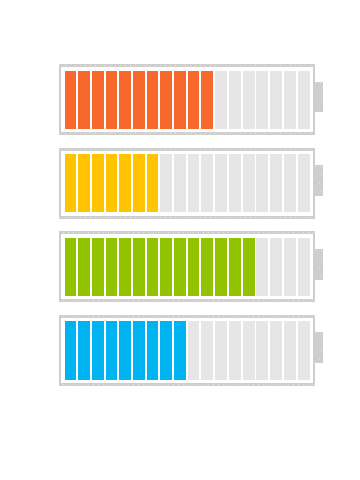
Social battery is an concept that reflects ones Emotions, Feelings, & Stress.
INTRODUCTION
Where is your social-emotional battery today? In today’s ever changing world, we must stay up to date on our mindsets and body states.
CHALLENGES YOU MIGHT BE SEEING, OR EXPERIENCING YOURSELF
If you feel any of these, maybe you do need to pause and reflect. So many of us are normalizing these agitated states of being.
1. High emotional distraction
2. Overwhelmed by inability to cope with constant stress at work
3. Work and life not synced
4. Lack of quality deep sleep
5. Irritation and aggravation

Is Your Social Battery Running Low? How to Recharge Your Joy, Protect Your Peace, and Live with a Peak Mind
By Dr. Alicia E. Mckoy | Happiness, Joy, and Mental Well-Being Expert | Founder of Peak Mind
Have you ever enjoyed spending time with people, only to come home feeling like you need a vacation from your vacation? Or perhaps you have spent an entire day alone, feeling peaceful and recharged, but by evening, you are craving conversation, laughter, and connection.
Maybe you are the person who lights up a room at one gathering and quietly observes from the corner at another. You might love a lively dinner with friends one day and prefer a quiet evening at home the next.
What if none of these experiences means there is anything wrong with you?
What if your energy simply needs something different at different times?
Welcome to the conversation about your social battery, a useful way to understand how social interaction affects your energy, mood, and sense of well-being. Learning how to care for this part of your life can help you experience more joy, build stronger relationships, and develop what I call a Peak Mind.
Because happiness is not simply about having more people around you. It is about understanding what helps you feel connected, alive, peaceful, and genuinely yourself.
What Is a Social Battery?
Think of your social battery as a metaphor for the mental and emotional energy you have available for interacting with other people.
Like the battery in your phone, your social battery may lose charge throughout the day. Conversations, meetings, family responsibilities, social events, conflict, and even enjoyable activities can require energy. Certain experiences, such as meaningful conversations, laughter, and time with people you trust, may also replenish that energy.
Your social battery is not a literal biological battery, nor is it a formal psychological diagnosis. It is a relatable way to describe something many of us experience: our capacity for social interaction changes depending on our circumstances, needs, and available energy.
Several factors can affect how socially energized we feel:
Mental workload. After a day of solving problems, making decisions, and managing competing demands, even a pleasant conversation may feel like one more task.
Emotional demands. Supporting someone through a difficult time, navigating conflict, or managing other people's expectations can require substantial emotional effort.
Physical well-being. Sleep, movement, nutrition, illness, and general fatigue can affect patience, attention, and our desire to engage.
The social environment. A loud room filled with unfamiliar people may require more effort than a quiet conversation with someone you trust.
The quality of connection. Feeling accepted and understood can make social interaction more satisfying. Feeling judged, excluded, or obligated can make it more draining.
Our current circumstances. A demanding workweek, a major life transition, or a period of grief can change how much interaction feels comfortable.
Notice something important: social energy is not determined solely by how many people you see.
You can spend three hours with people and feel wonderfully alive. You can spend 30 minutes in a difficult meeting and feel exhausted.
The difference often lies in the demands of the interaction, your existing level of stress, and whether the experience meets or conflicts with your needs.
Introverts, Extroverts, and Omniverts: Where Do You Fit?
We often talk about introverts and extroverts as if they belong to two completely separate categories. In reality, personality exists along continua, and people's preferences can vary by setting, relationship, and stage of life.
You may recognize yourself in one of these descriptions.
The Introvert
Introverts often prefer lower-stimulation environments or smaller social settings, and many find that quiet time helps them recover after extensive interaction.
An introvert can love people, enjoy parties, build meaningful relationships, and be an excellent public speaker. Introversion does not automatically mean shyness, social anxiety, or a dislike of people.
It may simply mean that solitude, reflection, and quieter environments are important sources of restoration.
What may recharge an introvert?
Reading, journaling, or enjoying a quiet hobby.
Spending time with one trusted friend rather than a large group.
Taking a walk without constant conversation or notifications.
Having time to process an experience before discussing it.
Participating in meaningful conversations without feeling pressured to perform socially.
The Extrovert
Extroverts often enjoy social engagement, external stimulation, and opportunities to interact with other people. Conversation, collaboration, shared activities, and group experiences may help them feel energized.
However, extroverts are not immune to social exhaustion. Too many commitments, difficult relationships, poor sleep, or constant demands can drain anyone.
What may recharge an extrovert?
Calling a friend or meeting someone for coffee.
Participating in a group activity.
Sharing a meal with family or friends.
Dancing, playing games, or engaging in a lively shared experience.
Talking through a challenge with someone who listens well.
The Omnivert
You may have heard the term omnivert appearing in conversations about personality. It is an informal term used to describe someone who may display strongly introverted or extroverted tendencies at different times or in different circumstances.
An omnivert might be the life of the party at a professional event, confidently lead a discussion, and enjoy being surrounded by people. The next day, that same person might want little conversation, decline invitations, and spend the evening in solitude.
The term is popular in everyday personality discussions, but it is not a formally established personality category in mainstream psychological assessment. It is best understood as a descriptive label rather than a clinical classification.
An omnivert is not necessarily someone who has found a perfect balance between introversion and extroversion. The term describes a pattern of shifting between more socially outgoing and more socially withdrawn behavior.
And What About Ambiverts?
An ambivert is someone whose tendencies fall somewhere between introversion and extroversion, or who displays a combination of both. An ambivert might enjoy socializing and solitude in relatively balanced proportions, adjusting according to the setting and their energy.
Here is the real takeaway: you do not have to become a different personality type to enjoy a fulfilling social life. You need to learn what your mind and body require, and give yourself permission to respond accordingly.
How to Refill Your Social Battery
If you want to experience more joy and connection, the goal is not to keep your social battery at 100 percent every minute of every day. That would be unrealistic.
Instead, the goal is to recognize what drains you, what restores you, and how to make room for both.
Here are seven ways to begin.
1. Learn the Difference Between Being Alone and Feeling Lonely
Solitude and loneliness are not the same experience.
Solitude is time spent alone that may feel peaceful, restorative, creative, or satisfying. Loneliness is the distress that can arise when the connection we want is missing or insufficient.
You can be alone without feeling lonely. You can also feel lonely in a crowded room.
Research on social relationships consistently associates supportive relationships with better health and well-being. At the same time, the value of connection is not measured by the number of people in your contact list.
Ask yourself:
Do I need more connection right now, or do I need more time with myself?
If you need solitude, give yourself permission to enjoy it without guilt.
If you feel lonely, consider reaching out to someone you trust, joining a shared activity, or creating a small opportunity for meaningful conversation.
The goal is not to eliminate solitude or loneliness by force. It is to understand what you need and take a kind, appropriate next step.
2. Choose Connection That Gives Something Back
Not all social interactions have the same emotional effect.
Some relationships make you feel accepted, safe, curious, and appreciated. Others may leave you feeling as though you must constantly explain yourself, manage expectations, or conceal parts of who you are.
You cannot always avoid difficult interactions, especially at work or within family systems. However, you can become more intentional about the time you spend in relationships that are mutually respectful.
Try asking yourself:
With whom can I be myself?
Which conversations leave me feeling understood?
Where do I feel that I must perform instead of participate?
Which relationships would benefit from more attention?
Where might I need a healthier boundary?
You do not need to end every relationship that requires effort. Relationships sometimes require patience, compromise, and difficult conversations.
But you can make room for relationships in which care, respect, and emotional effort flow in both directions.
3. Give Your Nervous System a Chance to Recover
When stress accumulates, ordinary demands can begin to feel unusually difficult. You may become more irritable, less patient, or less interested in interacting with others.
This is one reason your social battery can feel depleted after a demanding day.
Stress involves coordinated changes in the brain and body, including systems responsible for attention, threat detection, emotional regulation, and physiological arousal. When those systems have been working hard, recovery matters.
Try a few simple practices:
Take five minutes of quiet between demanding meetings.
Walk outside and notice the sights, sounds, and sensations around you.
Breathe slowly and comfortably, allowing your exhalation to be unhurried.
Stretch your shoulders and release unnecessary muscular tension.
Put your phone away during a short break instead of replacing one stream of stimulation with another.
Protect your sleep and establish a consistent wind-down routine.
These activities are not guaranteed to restore your energy immediately. Their value lies in giving you opportunities to reduce demands and recover throughout the day rather than waiting until you are completely depleted.
You do not have to wait until you are exhausted to take care of yourself.
4. Make Room for Play, Laughter, and Shared Experiences
We sometimes approach social interaction as if it must accomplish something.
We meet to discuss a project. We call someone to solve a problem. We attend an event because we should. We schedule time together but spend much of it checking notifications or talking about our responsibilities.
Yet some of our most meaningful experiences occur when we are not trying to achieve anything.
We laugh. We play. We tell stories. We learn something unexpected about someone we have known for years.
Play can provide opportunities for positive emotion, social bonding, learning, and relief from routine demands. Its effects depend on the people involved and the experience itself, but it can be a valuable part of well-being throughout adulthood.
Consider bringing more intentional play into your life:
Organize a game night with friends or family.
Invite a colleague to take a walk instead of having another meeting.
Cook a meal together.
Ask someone to share a funny or memorable story.
Play a board game that encourages conversation and cooperation.
Try something new with a person whose company you enjoy.
This is one reason I believe in the value of social play through Peak Mind's WellPLAY products. A game gives people something to do together, reducing the pressure to carry an entire conversation while creating opportunities for laughter, participation, and discovery.
The objective is not to force connection. It is to create an environment in which connection has room to happen.
5. Set Boundaries Before You Reach Your Limit
Many people wait until they are exhausted before they say no.
They accept the invitation, attend the meeting, answer every message, stay longer than they intended, and then wonder why they have nothing left to give.
A healthier approach is to recognize your capacity earlier.
You might say:
"I'd love to see you, but I can stay for an hour."
"I need a quiet evening tonight. Can we plan something for this weekend?"
"I can help with that, but I cannot take on the entire project."
"I need a few minutes to think before I respond."
"I would enjoy a smaller gathering rather than a large event."
Boundaries are not punishments. They communicate what you can reasonably offer while respecting the needs of others.
And remember, you do not have to justify every boundary with a long explanation.
A simple, respectful answer is often enough.
6. Stop Measuring Your Social Life Against Someone Else's
Social media can create the impression that everyone else is constantly attending events, maintaining dozens of friendships, traveling with groups, and having the time of their lives.
But a photograph does not tell you whether someone feels connected, rested, or fulfilled.
It does not reveal the preparation, exhaustion, loneliness, or recovery that may occur outside the frame.
Your social battery is not a competition.
You do not have to attend every gathering, respond to every invitation, or maintain the same social pace as your friends.
Instead, consider what a satisfying social life looks like for you.
Perhaps it means a weekly dinner with two close friends. Perhaps it means volunteering, joining a community group, or calling a family member regularly. Perhaps it means having a few deep relationships and plenty of time for creative work and solitude.
The right amount of connection is not determined by someone else's calendar.
7. Practice the Art of Checking In With Yourself
Self-awareness helps you recognize your needs before they become overwhelming.
Try a brief check-in at three points during the day.
Morning: What kind of energy do I have today? How much interaction feels manageable?
Midday: What has been draining me? What has been giving me energy? Do I need a break, connection, movement, or quiet?
Evening: Which interactions felt meaningful? Where did I overextend myself? What would I like to do differently tomorrow?
You do not need a complicated tracking system. A few honest observations can help you recognize patterns over time.
The more accurately you recognize your own needs, the easier it becomes to make choices that support your well-being.
How to Have a Peak Mind and a Peak Mindset
At Peak Mind, I believe well-being involves more than feeling good when life is going well. It also involves developing the awareness and practical skills to care for yourself when life becomes demanding.
A Peak Mind is not a mind that is happy every moment, calm in every circumstance, or endlessly available to other people.
It is a mind that can recognize what is happening, respond with greater intention, and return to practices that support well-being.
Your social battery offers a useful starting point.
Measure. Notice Your Patterns.
Begin by paying attention to your experiences without judging them.
Notice which environments leave you energized and which leave you depleted. Pay attention to sleep, workload, emotional demands, the quality of your relationships, and how much recovery time you have available.
Do not automatically assume that every difficult social interaction means you are an introvert or an omnivert. You may simply be tired, stressed, overstimulated, or in need of a different kind of connection.
Curiosity is more useful than self-criticism.
Remediate. Take a Small, Helpful Action.
Once you recognize what you need, make one reasonable adjustment.
If you feel depleted, take a quiet break. If you feel disconnected, contact someone you trust. If your calendar is overwhelming, decline or shorten a nonessential commitment. If your days feel too serious, make room for play.
You do not need to change your entire life in one afternoon.
Small, repeated actions can help you build routines that support your mental and emotional well-being.
Validate. Notice What Helps.
After trying something, ask yourself whether it made a difference.
Did the quiet break help you feel more prepared for your next conversation? Did spending time with a friend leave you feeling more connected? Did a boundary reduce resentment? Did playing a game create an opportunity to laugh and enjoy the company of others?
Not every strategy will work equally well every time. That is useful information, not a failure.
Over time, you can develop a clearer understanding of the conditions that support your well-being.
This process is consistent with a central principle of a Peak Mindset: pay attention, take action, and learn from your experience.
Can We All Have a Full Social Battery?
Yes, in the sense that we can all work toward a social life that feels more satisfying, restorative, and consistent with our needs.
But we need to define what a full battery means.
It does not mean being ready to socialize at every moment. It does not mean never feeling lonely, overwhelmed, or tired. And it certainly does not mean forcing ourselves to attend another event when our bodies and minds are asking for rest.
A full social battery is better understood as having enough energy and emotional capacity for the connections that matter to us, along with the freedom to recover when we need to.
For one person, that may mean an afternoon spent with friends followed by a quiet evening. For another, it may mean a peaceful morning alone followed by an energetic night out. Someone else may need a combination of meaningful conversation, physical activity, and time away from digital stimulation.
Your needs may also change throughout your life.
A new job, parenthood, caregiving, grief, illness, retirement, or a major transition can change your available energy and your desire for connection. You are allowed to respond to those changes rather than hold yourself to an outdated version of who you think you should be.
The goal is not to maintain a permanently full battery. It is to become more capable of recognizing when it needs charging and knowing which forms of restoration are likely to help.
Your Social Battery and the Science of Belonging
Human beings have a fundamental need for connection. Supportive relationships can contribute to psychological well-being, help people cope with stress, and provide opportunities for mutual care.
Social connection also involves biological processes, including systems related to stress regulation, reward, and bonding. However, there is no single hormone or neurotransmitter that explains why every social interaction feels good or bad. Our experiences arise from many interacting factors, including the relationship, the context, our expectations, and our physical state.
This is why it is worth paying attention to the quality of connection rather than simply counting interactions.
A room full of people does not guarantee belonging. A large network does not guarantee emotional support. And a person who enjoys solitude is not necessarily missing out on a fulfilling social life.
Belonging develops when we have opportunities to participate, contribute, feel accepted, and build relationships in which care is reciprocal.
Sometimes that happens in a deep conversation. Sometimes it happens while volunteering, sharing a meal, working toward a common goal, or playing a game around a table.
These ordinary experiences can give relationships room to grow.
A Simple Seven-Day Social Battery Reset
If you would like to put these ideas into practice, try the following exercise for one week.
Day 1. Notice. At the end of the day, write down one interaction that gave you energy and one that drained you.
Day 2. Restore. Schedule 10 minutes for a quiet activity, a walk, or another form of rest that suits you.
Day 3. Connect. Reach out to someone with whom you feel comfortable being yourself. Ask a genuine question and give the conversation your attention.
Day 4. Set a boundary. Identify one nonessential demand you can shorten, decline, or reschedule respectfully.
Day 5. Play. Make time for an enjoyable activity with another person. Choose something that encourages laughter, curiosity, or shared participation.
Day 6. Belong. Participate in a community activity, help someone, or spend time with people who share an interest or purpose.
Day 7. Reflect. Ask yourself what helped, what drained you, and what you would like to continue.
At the end of the week, consider three questions:
What gives me energy without leaving me feeling depleted?
What kinds of connection do I want more of in my life?
What one change would help me protect my peace while remaining connected to others?
Keep the practices that work for you. Adjust the ones that do not. Your goal is to build a way of living that supports your well-being, not another list of obligations.
Final Thoughts: You Deserve Both Connection and Peace
We live in a world that can make us feel as though we must always be available. Available for work. Available for family. Available for messages, invitations, expectations, and the endless stream of information arriving through our devices.
But being available to everyone else at all times can make it difficult to remain connected to ourselves.
Your social battery is a reminder to pause and ask a different question.
Instead of asking, "How can I do more, attend more, and keep everyone happy?" ask, "What do I need to feel well, and how can I create more room for the relationships and experiences that bring meaning to my life?"
You can be an introvert who loves a lively celebration. You can be an extrovert who needs a quiet weekend. You can be an omnivert who moves between the two. You can be an ambivert who enjoys a little of everything.
You do not have to fit perfectly into a category to take good care of yourself.
You need to recognize that your well-being matters, your energy has limits, and your relationships deserve your presence rather than merely your availability.
At Peak Mind, our work centers on helping people understand their stress responses and practice everyday actions that support well-being. Sometimes those actions involve a breathing exercise or a moment of reflection. Sometimes they involve setting a boundary, reaching out to a friend, or putting the phone away and enjoying a game with the people sitting across the table.
Joy does not always arrive through a major life event. Sometimes it begins with a small decision to rest, reconnect, laugh, or be present.
You do not need to become someone else to experience more joy. You can begin by understanding yourself a little better, caring for your energy, and making room for the connections that help life feel meaningful.
That is one way to cultivate a Peak Mind and a Peak Mindset.
And perhaps the most important reminder of all is this: you are allowed to enjoy people, enjoy solitude, and change your mind about what you need from one day to the next.
Your social battery is yours to care for. Give it the attention it deserves.
Keep the Conversation Going
What recharges your social battery? Is it a quiet morning, a meaningful conversation, a walk outside, laughter with friends, or a game night with the people you love?
Share your answer with someone who might need a reminder that rest and connection both belong in a fulfilling life.
Explore Peak Mind and WellPLAY for practical ways to make well-being, play, and meaningful human connection part of everyday life.
Suggested Further Reading
For readers who want to explore the science behind social connection and well-being, consider these resources:
Editorial note: “Social battery” and “omnivert” are informal terms, not clinical diagnoses. Introversion, extroversion, and individual social preferences are more nuanced than any single label can capture.
Maybe you need to take a minute and pause and fill up that battery!
𝗣: Pay attention to my body, thoughts, feelings.
𝗔: Acknowledge your own reactions and judgements.
𝗨: Understand the root of my feelings - interpret them.
𝗦: Set boundaries, Separate, ensure Safety.
𝗘: Empathize with those involved and execute an action plan.
Check out all the other tools Peak Mind provides to help:
Buy your copies today off Amazon:
'Be Well at Work' book link https://a.co/d/3qO6cmx
NEW COMPANION WORKBOOK ON SALE NOW! https://a.co/d/ffH0OJI
#BeWell #PeakAtWork #MindsetMatters #WellbeingMatters Connect@JoinPeakMind.com to learn more about helping your employees reset their social-emotional batteries today. www.JoinPeakMind.com/blogs to learn more ways to help.
About Author: Dr. Alicia E. Mckoy is a happiness and mental well-being educator, speaker, and founder of Peak Mind. Her work helps people understand stress and develop practical habits that support greater calm, clarity, connection, and quality of life. Through Peak Mind and its WellPLAY products, she encourages individuals, families, and workplaces to make well-being part of everyday life.